Strategy
Do Small Businesses Still Need a Website in 2026?
Social media and Google profiles are useful, but a business website still provides control, trust and search visibility in 2026.

01
Yes: a website remains the business's controlled online home
A small business can receive enquiries through Google Business Profile, Facebook, Instagram, directories and word of mouth, but those channels do not replace a website the business controls. Platforms can change algorithms, layouts, account rules and advertising costs. A website gives the company a stable address where services, proof and contact information can be organised on its own terms.
The website also connects every other marketing channel. A customer may notice a van, receive a recommendation, see a social post or click a map listing, then visit the site before making contact. The site is often the place where they confirm that the company is legitimate, suitable and active.
The question in 2026 is not whether every business needs a huge website. Most local businesses need a focused, fast and maintained site that supports the customer journey. Affordable web design makes this possible without a large upfront investment or unnecessary functionality.
- A permanent branded address
- Control over content and customer journey
- Detailed service information
- Search visibility beyond map results
- A destination for advertising and referrals
- Measurement of enquiries and visitor behaviour
Treat the website as the centre of your online presence, not as a replacement for every other channel.
03
Google Business Profile and a website perform different jobs
A Google Business Profile can generate calls directly from Search and Maps. It displays reviews, hours, services, images and contact actions. For urgent local searches, the profile may be the first and only interaction before a call.
The website provides depth. It can explain complex services, show case studies, answer pricing questions and distinguish the business from competitors with similar profiles. The Business Profile should link to the most relevant page and use consistent contact information.
Businesses with only a profile are limited to Google's layout and fields. A website creates more control over persuasion and can rank for informational, service and long-tail searches that do not trigger the map pack.
- Profile: quick discovery and map visibility
- Website: detailed service and trust information
- Profile: reviews and immediate actions
- Website: case studies, process and conversion
- Both: consistent brand and business details
04
Customers still use websites to verify trust
Before spending money or inviting someone onto a property, customers often research the business. They look for recent work, reviews, qualifications, team information and clear contact details. A professional website consolidates this evidence.
The absence of a website does not prove a business is unreliable, but it creates an information gap. Competitors with a clear site may feel easier to assess. This is especially important for higher-value services where the customer spends more time comparing options.
Trust does not require an expensive corporate design. Real photographs, accurate wording, visible ownership and a straightforward process are more useful than dramatic effects. Affordable website design can still create a polished and credible experience.
Ask whether a new customer can verify who you are, what you do and how to contact you without using social media.
05
A website supports search visibility for specific services
A Business Profile has limited space, while a website can create dedicated pages for each main service. These pages can answer customer questions, show relevant projects and target specific search intent. A plumber can separate emergency work, boiler repairs and bathroom installation instead of asking one page to cover everything.
Search-friendly content should be useful and specific. It should not repeat the same paragraph across dozens of towns. Build pages around genuine services and locations, then support them with case studies, reviews and internal links.
Blog content can answer cost, process and comparison questions. A well-planned article may reach customers earlier in the decision process and link them to the relevant service. Quality matters more than publishing frequency.
- Dedicated service pages
- Useful location information
- Cost and process guides
- Case studies
- Frequently asked questions
- Internal links to enquiry pages
06
A website improves paid advertising
Facebook, Instagram and Google Ads perform better when the destination matches the advert. A specific landing page can continue the message, present proof and make the enquiry action clear. Sending every campaign to a social profile or generic homepage introduces extra steps.
The website also enables better measurement. Analytics and conversion tracking can show which pages, campaigns and actions generate leads. This helps the business reduce wasted spend and improve the offer.
Advertising platforms still need accurate privacy and consent configuration. The web designer should build a clear technical foundation, while the business remains responsible for truthful claims and lawful data use.
07
Websites are useful for customers who do not want to call immediately
Not every customer is ready to speak. Some want to understand the service, compare examples or send a message outside working hours. A website supports this quieter research stage and captures enquiries when the business is closed.
Forms, email and messaging options should be simple and mobile friendly. The confirmation should explain when the customer will receive a response. This creates a professional experience before a team member becomes involved.
Useful content can also pre-qualify leads. Explaining service areas, project types and pricing factors helps unsuitable visitors filter themselves and gives suitable customers confidence.
- 24-hour access to service information
- Quote forms and callback requests
- Project examples
- Pricing context
- Process and availability information
- Frequently asked questions
08
A small business website does not need to be complicated
Many companies delay because they imagine a website requires dozens of pages, constant blogging and expensive custom software. A focused website can start with a homepage, service pages, about, projects, reviews and contact. Additional content can be added when it supports a real need.
The site should be built for maintenance. A managed monthly plan can suit an owner who wants to send changes to a web designer. A content-management system may suit a team that wants direct control. Choose the operating model before launch.
Avoid features that create cost without improving the customer journey. Complex animation, live chat and booking systems can be valuable, but only when they solve a clear problem. Simplicity is a strategic choice, not a sign of low quality.
Launch the smallest complete website that answers customer questions and supports an enquiry.
09
What an effective 2026 small business website needs
The site should load quickly, use HTTPS and work across phones, tablets and desktop screens. The opening message should identify the service and location, and contact options should be easy to use. The design needs strong contrast, readable text and logical navigation.
Content should be original, current and written for the target customer. Show recent proof, explain the process and avoid unsupported claims. Use descriptive page titles, headings and internal links so search engines can understand the structure.
The business also needs access to the domain, analytics and Search Console. Maintenance should cover forms, backups, security and content accuracy. A website is an ongoing asset even when changes are small.
- Clear proposition
- Mobile-first design
- Fast performance
- Useful service content
- Genuine trust evidence
- Simple enquiry routes
- SEO foundations and measurement
- Ongoing maintenance
10
When a business may not need a full website yet
A temporary side project with no need for discovery may begin with a simple landing page or verified profile. A business that operates entirely through a closed marketplace might also have limited immediate need. However, dependence on that platform remains a strategic risk.
A new company can start with one well-designed page that explains the offer and captures enquiries, then expand after validating demand. This is different from having no controlled presence at all.
Consider customer behaviour. If people search for the service, compare providers or need reassurance, a website is likely to add value. The decision should be based on the sales journey rather than a general rule.
11
Affordable web design versus DIY builders
DIY platforms reduce the initial cash requirement and can work for owners with time and design confidence. The ongoing cost includes the subscription and the owner's hours spent planning, writing, building and troubleshooting. A professional service costs more in cash but can reduce time and improve the customer journey.
Affordable UK web design plans offer a middle route. The provider creates and maintains the site for a predictable monthly fee. Review the ownership, cancellation and included support before choosing.
The best option depends on budget, urgency and internal capacity. A business owner should focus on selling and delivery when website work becomes a distraction from higher-value activity.
- DIY: lower cash cost, higher time commitment
- Upfront agency: defined project and ownership terms
- Managed monthly: predictable cost and ongoing support
12
Frequently asked questions about small business websites
Can I run a business using only Facebook? You can, but the business depends on Facebook's account and algorithm. A website creates a more stable destination.
Is Google Business Profile enough? It can generate calls, but a website provides more detail, search coverage and control.
How much should a small business website cost? The range varies. Compare the complete first-year service, design quality, hosting, edits and ownership.
Does a website need a blog? Not always. Publish useful articles when they answer customer questions and support the services.
Can a new website guarantee more customers? No. It can improve visibility, trust and conversion, but results also depend on demand, reputation, marketing and follow-up.
13
How to calculate whether a website is worth the investment
Estimate the gross profit from an average new customer and the number of additional customers needed to cover the website cost. A £360 first-year managed website, for example, may pay for itself with one suitable job in many trades. Use realistic conversion assumptions rather than treating every visitor as a lead.
Include time savings. A clear website can answer repetitive questions, filter unsuitable enquiries and provide project information outside working hours. These benefits may be valuable even before search traffic grows. The site also supports advertising, referrals and offline marketing by giving every campaign a credible destination.
Review value over a reasonable period. Search visibility and reputation normally develop over time, while conversion improvements can help existing traffic sooner. Track enquiries and customer source so the business can make an informed renewal or redesign decision.
The website also protects consistency as the company grows. New staff, advertising suppliers and franchise locations can refer to one approved source for services, contact information and brand presentation. Without that source, different platforms may publish conflicting claims. A maintained website becomes part of business operations as well as marketing.
- First-year website cost
- Average profit per customer
- Additional customers required
- Time saved answering questions
- Advertising performance
- Long-term brand and search value
Final word
What to remember
Small businesses still need websites in 2026 because a website provides control, credibility, detailed information and a measurable route to enquiry. Social media and Google Business Profile remain valuable, but they work best when they lead to a strong owned destination. The right website can be focused and affordable while still supporting every major marketing channel.

02
Social media is discovery, not ownership
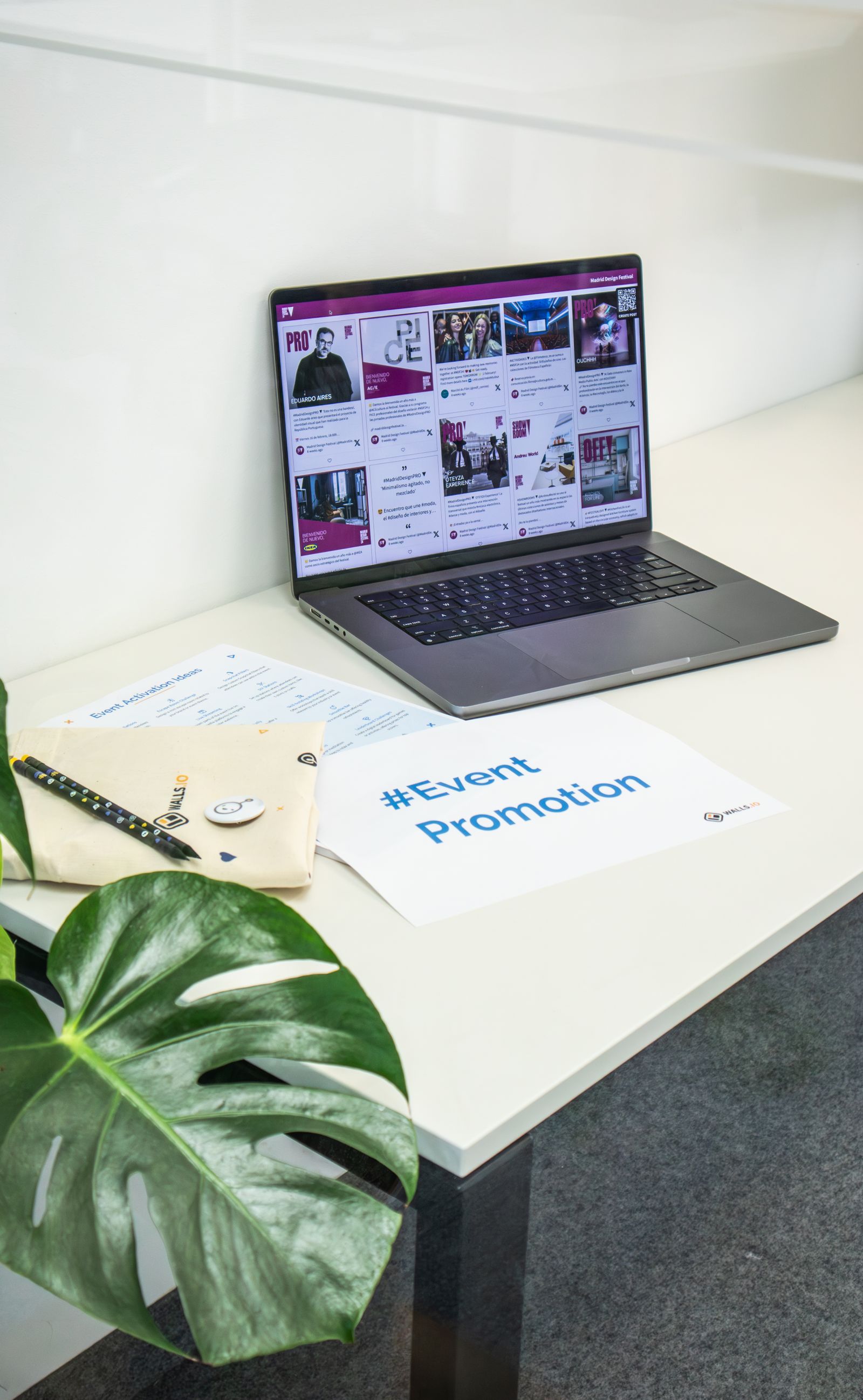
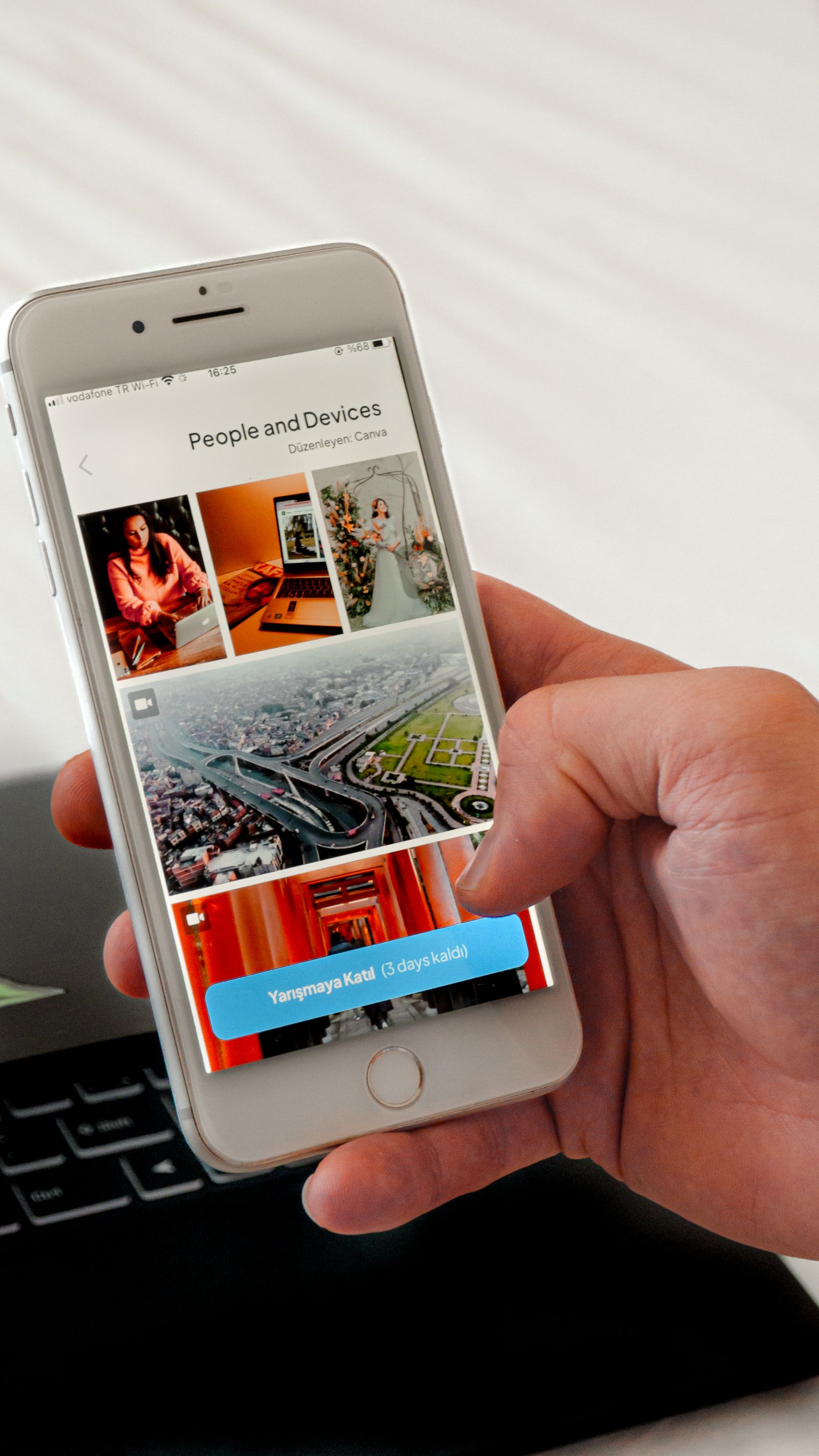
Social platforms are excellent for showing recent work, personality and day-to-day activity. They can create conversations and keep the business visible to previous customers. However, posts are arranged by an algorithm and quickly disappear from attention. Important service information is difficult to organise and older customers may not use the same platform.
An account can also be restricted, hacked or lost. Building the entire business presence on one platform creates dependency. The website provides a destination that remains available even when a social channel changes.
Use social media to earn attention, then direct interested visitors to relevant website pages. A landscaping project post can link to the landscaping service or case study. This gives the customer a complete explanation and a clear quote route.